
Condo vs Freehold
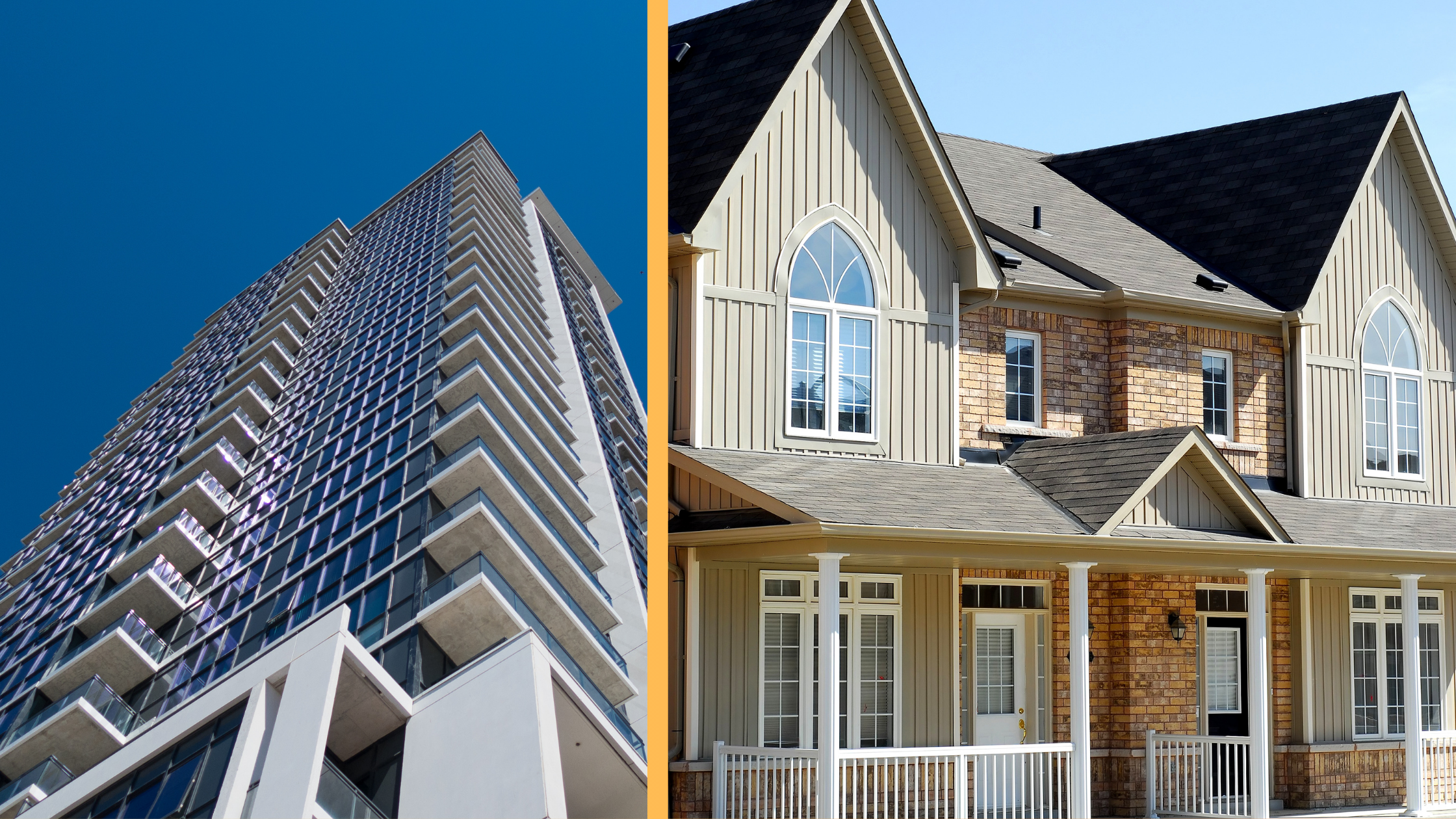
Which Home Type Is Better for Your Budget, Lifestyle, and Long-Term Wealth?
Condo or Freehold? Here’s the simple way to decide
One of the most common questions I get is:
“Should I buy a condo or a freehold?”
The honest answer is: it depends on what you’re optimizing for.
And here’s the part most people miss: many buyers optimize for the wrong thing (usually “what feels like the best deal today”) instead of what matters over the next 3, 5, or 10 years.
This guide will help you decide quickly — and avoid the common mistake of buying the wrong type of property for your timeline.
Start here: What are you optimizing for?
Before you compare features, answer this:
1) What’s your timeline?
0–3 years: flexibility matters most
3–7 years: lifestyle + costs need to stay manageable
7–10+ years: space, control, and long-term stability matter more
Timeline changes everything.
The best option for a 3-year plan can absolutely be the wrong option for a 10-year plan.
2) What matters more: convenience or control?
Most buyers fall into one of two camps:
Convenience (less maintenance, simpler ownership, predictable routines)
Control (freedom to renovate, expand, customize, and use the property as you want)
When a condo is usually the better fit
Condos tend to make the most sense when you want:
✅ 1) Location per dollar
In Toronto/GTA, condos often buy you better proximity to transit, work, and lifestyle for the same budget.
If you’re deciding between:
a condo in a location you’ll actually use daily, or
a freehold that forces longer commutes and lifestyle compromises…
…don’t underestimate the value of your time.
✅ 2) Low-maintenance “lock-and-leave” ownership
If you travel, work long hours, or just don’t want weekend projects, condo ownership can be a better match.
Maintenance is more “managed” (not free — but less DIY).
✅ 3) A simpler plan (especially 3–5 years)
If your life might change — job, relationship, kids, relocation — condos can offer:
easier transitions
a clearer “next step”
less emotional attachment to renos and upgrades
✅ 4) Investment property goals (in many cases)
Condos can work well for investors who prioritize:
entry price
tenant demand in central locations
ease of management (relative to freeholds)
But: this only works when the building is financially healthy and the numbers make sense after fees.
When freehold is usually the better fit
Freeholds tend to make the most sense when you want:
✅ 1) Space + privacy
If you’re growing a household, working from home long-term, or just want separation from neighbours, freehold often wins.
✅ 2) Control and renovation freedom
Freehold usually means:
fewer rules
more ability to change the space
fewer restrictions around pets, rentals, and renovations
✅ 3) A long-term “settle in” plan (7–10+ years)
A freehold can shine when you’re building stability:
schools
community roots
long-term lifestyle
Transaction costs are real — so the longer you stay, the more the economics improve.
✅ 4) Value-add potential
If you like the idea of improving a home over time, freehold offers more upside through:
renovations
additions
finishing basements
creating secondary suites (where permitted)
The “hidden” cost most buyers miss: monthly cost isn’t just the mortgage
Many people compare a condo and freehold and only look at mortgage payments.
That’s a trap.
Condo true monthly cost can include:
condo fees (which may rise over time)
utilities (sometimes included, sometimes not)
insurance (unit owner policy)
special assessments risk (depending on building health)
Freehold true monthly cost can include:
utilities (all on you)
home insurance
repairs and replacements (roof, furnace, windows, plumbing, etc.)
lawn/snow/time (even if you outsource it)
Here’s the key:
Condos have more predictable maintenance in the short term (but can carry building-level risks).
Freeholds give you control (but you’re responsible for every surprise).
The “other” hidden factor: lifestyle friction
This is where people regret purchases.
Condo friction examples:
elevator wait times and shared amenities
rules around pets and rentals
renovation restrictions (sometimes strict)
noise and shared walls
parking/guest parking limitations
Freehold friction examples:
commuting trade-offs (often bigger in GTA)
repairs and time demands
surprise costs you can’t “spread out” with a building
higher upkeep (even when everything is fine)
Neither is “better.”
But one will fit your real life more naturally.
A simple decision checklist (60 seconds)
A condo is usually best if you’re saying “yes” to:
I want location and convenience
I don’t want to manage repairs
I may move or upgrade within 3–5 years
I want a simpler ownership experience
I’m okay with rules and shared living
A freehold is usually best if you’re saying “yes” to:
I want space and privacy
I want more control and fewer restrictions
I plan to stay 7–10+ years
I want the option to renovate/add value
I’m comfortable handling repairs and upkeep
The common mistake (and how to avoid it)
Mistake: buying based on what feels like a better “deal” today, without matching the property type to your timeline.
Fix: decide your timeline first, then choose the property type that supports it.
If you want, I can help you pressure-test your plan with a quick “which path fits” review:
end-user vs investor goals
timeline and upgrade path
true monthly cost comparison
neighbourhood/value trade-offs
Next step
If you’re deciding between a condo and a freehold in Toronto/GTA (or Calgary), send me a message and I’ll help you make the decision the right way — not just the fast way.
Niesh Dissanayake
@nieshwealthbuilder